
Ductwork Repair In El Sobrante, CA
For ductwork repair in El Sobrante, CA, O.S. Heating & Cooling traces airflow loss through supply ducts, return ducts, equipment transitions, connections, and damaged duct sections.
- Home
- Ductwork Installation & Repair
Conditioned Air Should Reach The Room
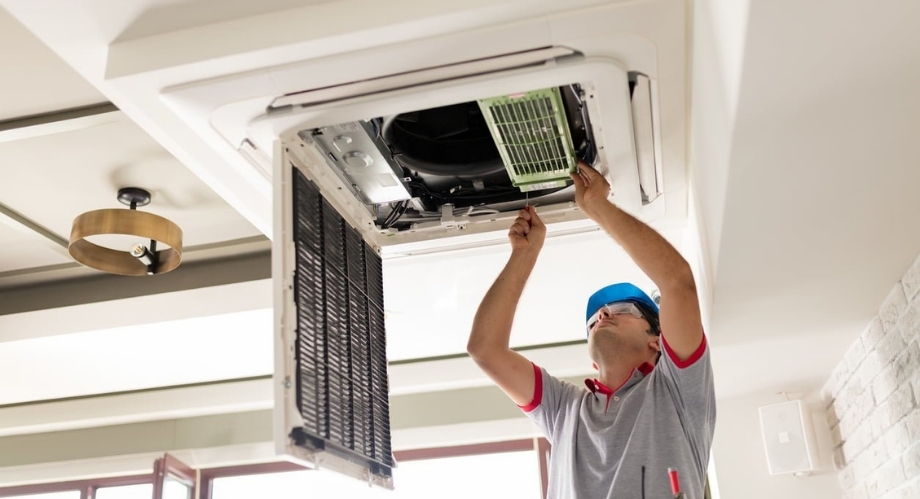
Ductwork carries heated or cooled air between HVAC equipment and occupied rooms. When sections become loose, crushed, disconnected, poorly sealed, or incorrectly configured, conditioned air may escape before reaching the vents. Our air duct repair process examines the route air follows, including accessible connections, branches, transitions, returns, and areas where visible damage affects distribution.
A duct leakage assessment also considers whether the problem comes from one damaged connection or a wider duct layout issue. Ductwork repair in El Sobrante, CA may restore airflow where existing sections remain usable, while extensive deterioration may require ductwork replacement rather than repeated patching.
How Airflow Problems Leave Physical Clues
Duct problems often appear as room-to-room temperature differences, weak vent output, excessive system runtime, or noise near concealed connections. We evaluate how air leaves the equipment, moves through each branch, and returns through the system before deciding what must be repaired.
- Disconnected Supply Sections
- Crushed Flexible Ducts
- Leaking Return Connections
- Damaged Equipment Transitions
- Restricted Branch Airflow
- Unbalanced Room Distribution
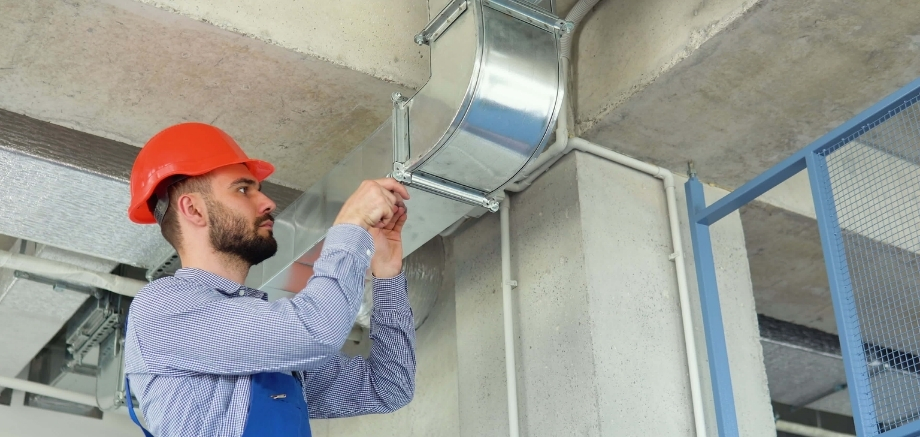
The work may involve repairing damaged ducts, re-securing connections, replacing unusable sections, correcting equipment transitions, or balancing airflow after repairs. When the existing network cannot support the HVAC equipment, duct replacement or a full duct system replacement may be necessary to establish a workable supply-and-return pathway.
Expertise In Keeping The Airflow Working
With more than 24 years in HVAC work, O.S. Heating & Cooling evaluates duct systems as part of the equipment they serve. Ductwork repair in El Sobrante, CA must account for blower output, return-air capacity, branch configuration, connection integrity, and the demands placed on residential ductwork or commercial ductwork.
Leakage Tracing
We inspect accessible joints, seams, boots, plenums, and transitions to locate openings that release conditioned air outside the intended airflow path.
Layout Review
The duct layout is reviewed for restrictive turns, undersized branches, inadequate returns, and routing conditions that can reduce airflow distribution.
Section Planning
Individual sections may be repaired when surrounding material remains serviceable; widespread damage may support system installation and replacement instead.
Balance Verification
After ductwork installation or repair, airflow is compared across relevant outlets to identify remaining restrictions or distribution differences requiring correction.
Frequently Asked Questions
Duct symptoms can resemble equipment failure because both affect temperature delivery and runtime. These answers explain how technicians separate damaged ducts from blower, control, and equipment problems.
Why is one room receiving much less air than the others?
A single room may have a crushed branch, loose connection, closed damper, blocked register, excessive duct length, or poorly configured return path. Trace the branch from the main trunk to the outlet before assuming the HVAC equipment lacks sufficient capacity.
Can leaking ductwork make my HVAC system run longer?
Yes. When supply air escapes into an attic, crawlspace, or wall cavity, less conditioned air reaches the rooms. The thermostat may therefore keep the system running longer. Return-side leakage can also pull unconditioned air into the system and alter delivered temperatures.
Is air duct repair enough for old or damaged ductwork?
Repair is practical when damage is limited, and the remaining ducts are correctly sized, accessible, and structurally usable. Ductwork replacement may be more appropriate when multiple sections are deteriorated, connections repeatedly fail, insulation is damaged, or the existing layout restricts airflow throughout the property.
Can new HVAC equipment use the existing duct system?
Existing ducts can remain when their dimensions, condition, return capacity, and airflow support the new equipment. Before HVAC system repair or replacement work proceeds, the duct system should be assessed because new equipment cannot correct leakage, restrictions, or inadequate distribution on its own.
What is checked after air duct installation is completed?
After air duct installation, technicians should review connection security, equipment transitions, supply delivery, return airflow, operating noise, and room-to-room distribution. Airflow balancing may be needed when some branches receive noticeably more air than others, even after the new sections are connected.
Put Lost Air Back Indoors!
Arrange an assessment of duct damage, leakage, connections, layout, and airflow distribution.
Our Services
Get The Right Service Started!
Tell O.S. Heating & Cooling what your system is doing, and we will identify the service that fits its condition and requirements.