Residential HVAC Services In El Sobrante, CA
O.S. Heating & Cooling provides residential HVAC services in El Sobrante, CA for central heating, central cooling, household airflow, ductwork, thermostats, maintenance, repairs, and equipment replacement.
- Home
- Residential HVAC Services
One System, Every Comfort Function
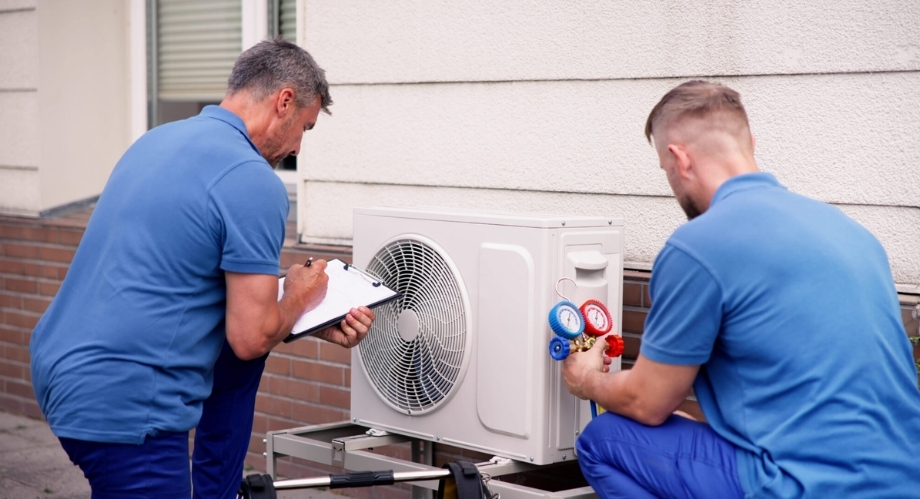
Residential HVAC services in El Sobrante, CA, cover the equipment, controls, and airflow pathways that regulate temperature throughout a home. O.S. Heating & Cooling evaluates furnaces, air conditioners, thermostats, supply ducts, return ducts, electrical components, and residential equipment to determine why the system is not heating, cooling, or circulating air as expected.
Our heating and cooling services account for system age, maintenance history, equipment condition, and room-to-room performance. This complete HVAC service overview helps distinguish an isolated component failure from broader problems involving ductwork systems, thermostat controls, incorrect equipment sizing, or restricted household airflow.
Problems Affecting Whole-Home Performance
A home can lose indoor temperature control when one or more parts of the HVAC system stop working correctly. Our HVAC repair services address symptoms connected to cooling equipment, heating components, airflow distribution, electrical operation, and temperature controls rather than treating every comfort complaint as the same problem.
- Uneven Household Temperatures
- Restricted Supply Airflow
- Unresponsive Thermostat Controls
- Repeated Equipment Cycling
- Inconsistent Heating Output
- Insufficient Cooling Performance
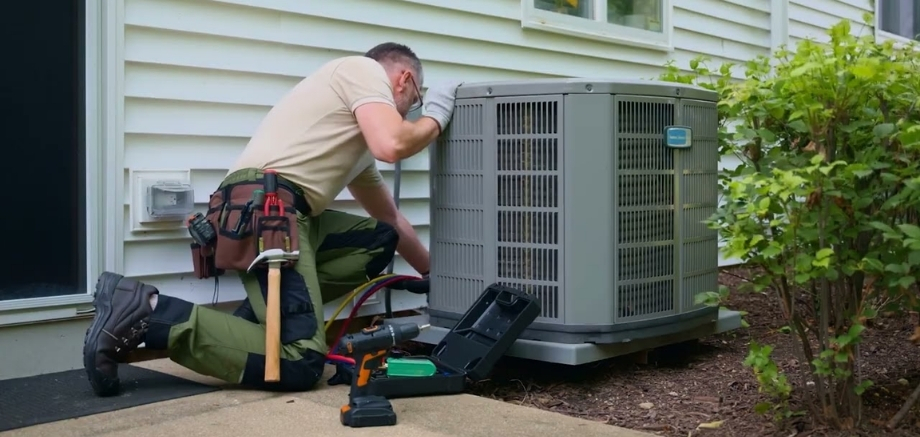
The findings may lead to residential HVAC repair, thermostat adjustment, duct correction, component replacement, or preventive HVAC maintenance. When aging equipment cannot maintain consistent performance, home HVAC replacement or home HVAC installation may be more practical than continuing to repair multiple worn components.
Experience Applied To Connected Systems
With more than 24 years in the HVAC industry, O.S. Heating & Cooling approaches residential HVAC services in El Sobrante, CA by examining how equipment, ductwork, controls, and airflow interact. Our HVAC contractor services focus on identifying the source of the problem, defining the work required, and explaining why repair, maintenance, or replacement is appropriate.
System Diagnosis
We inspect heating and cooling equipment, electrical connections, thermostat signals, filters, coils, and household airflow before recommending HVAC repair services.
Repair Decisions
Repair recommendations consider component condition, equipment age, previous failures, part availability, and whether the remaining home comfort systems can continue operating effectively.
Installation Planning
Our HVAC installation services account for property size, system capacity, duct configuration, electrical requirements, equipment location, and access for future residential maintenance.
Control Compatibility
Before installing smart home temperature controls, we confirm wiring, voltage, available terminals, system stages, and compatibility with the existing heating and cooling equipment.
Frequently Asked Questions
Heating and cooling problems can involve equipment, controls, or airflow distribution. These answers explain how technicians evaluate common residential symptoms and determine the appropriate service.
Why are some rooms comfortable while others stay too hot or cold?
Uneven temperatures may result from leaking ducts, restricted vents, inadequate return airflow, thermostat placement, insulation differences, or equipment sizing. The equipment and residential ductwork solutions should be assessed together because replacing the air conditioner or furnace alone may not correct a distribution problem.
Can a thermostat problem make the HVAC system appear broken?
Yes. Incorrect settings, damaged wiring, power loss, sensor faults, or compatibility problems can prevent normal system operation. Test the thermostat signal and equipment response before assuming the central heating, central cooling, or another major component has failed.
Why does my HVAC system run without reaching the selected temperature?
Continuous operation can indicate restricted airflow, duct leakage, dirty coils, incorrect equipment sizing, thermostat problems, or reduced heating and cooling output. Testing should determine whether the limitation involves system capacity, equipment condition, heat transfer, or air distribution.
When should an older HVAC system be replaced instead of repaired?
Replacement may be considered when the system needs repeated repairs, contains several worn components, cannot maintain indoor temperature control, or consumes more energy than expected. The decision should compare repair scope, equipment age, operating condition, and the likely value of continued service.
Should ductwork be inspected before installing new HVAC equipment?
Yes. Damaged, undersized, disconnected, or poorly configured ducts can restrict airflow and reduce the performance of new residential equipment. Supply ducts, return pathways, leakage, and room distribution should be evaluated before HVAC installation services begin.
Restore Consistent Comfort Throughout Your Home
Schedule an assessment of your equipment, controls, airflow, and ductwork systems.
Our Services
Get The Right Service Started!
Tell O.S. Heating & Cooling what your system is doing, and we will identify the service that fits its condition and requirements.