
Wall Heater Repair In El Sobrante, CA
For wall heater repair in El Sobrante, CA, O.S. Heating & Cooling checks the ignition sequence, burner operation, thermostat response, venting, controls, and heat output of the individual unit.
- Home
- Wall Heater Repair

How We Identify The Local Faults In A Heater
A wall-mounted heater operates independently from a central ducted system, so its repair process begins inside the unit itself. Pilot assemblies, ignition components, burners, gas controls, thermostats, safety switches, and venting must work in the correct sequence before heat can reach the room.
Gas wall heater repair also requires attention to how the flame starts, remains stable, and shuts down. A pilot light problem may appear simple, but repeated flame loss can involve the thermocouple, gas supply, burner condition, control valve, airflow, or venting.
How Small Units Produce Clear Warning Signs
Wall heater troubleshooting follows the appliance’s behavior from the thermostat call through ignition and heat delivery. Wall heater repair in El Sobrante, CA may be needed when the unit responds inconsistently, produces little heat, shuts down unexpectedly, or develops changes in flame, sound, or smell.
- Pilot Flame Failure
- Delayed Burner Ignition
- Inconsistent Heat Output
- Unresponsive Wall Controls
- Repeated Heater Shutdowns
- Abnormal Operating Noise
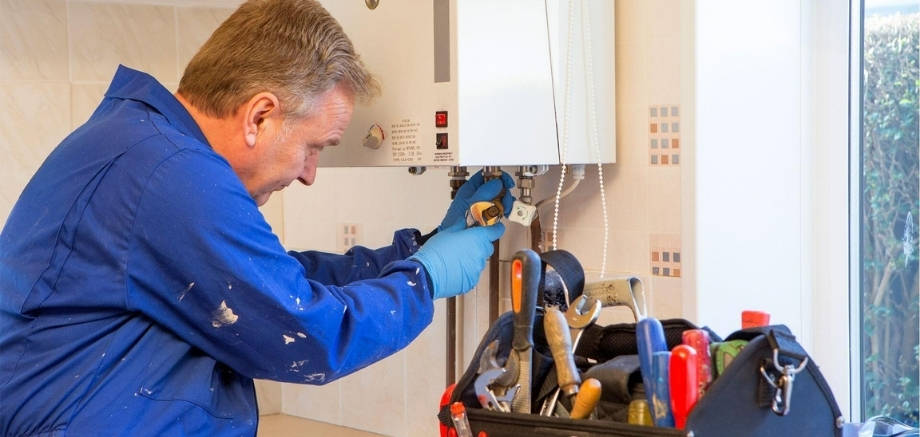
The findings may lead to cleaning, control adjustment, pilot assembly work, component replacement, burner correction, or gas wall furnace service. A damaged or unsuitable unit may instead require wall heater installation, while heating problems involving different equipment may need floor furnace repair service or central furnace repair.
How We Read The Entire Ignition Sequence
With more than 24 years in HVAC work, O.S. Heating & Cooling approaches wall heater repair in El Sobrante, CA by observing what happens before, during, and after ignition. The sequence reveals whether the failure begins with the thermostat, pilot, safety control, burner, gas valve, vent path, or another wall furnace component.
Flame Behavior
We inspect pilot stability, burner ignition, flame appearance, shutdown timing, and signs that combustion is not proceeding through its normal sequence.
Control Response
Thermostats, switches, safety controls, wiring, and gas valves are checked to confirm that the wall unit receives and follows heating commands.
Vent Condition
A gas heating assessment includes accessible venting because poor draft, blockage, disconnection, or deterioration can interfere with operation and safe exhaust movement.
Repair Viability
Component condition, heater age, repeated failures, parts availability, venting, and overall unit condition help determine whether wall furnace repair remains practical.
Frequently Asked Questions
Wall heaters often show the same symptom for several different faults. These answers explain how pilot, ignition, burner, control, and venting problems are separated during diagnosis.
Why does the pilot light go out every time I release the control knob?
The pilot flame may not be heating the safety sensor correctly, or the thermocouple, gas control, pilot assembly, or flame position may be faulty. Dirt, weak gas flow, or an unstable flame can produce the same symptom, so the pilot system should be inspected before parts are replaced.
Why does my wall heater click but fail to ignite?
Clicking without ignition can indicate an ignition component problem, interrupted gas flow, dirty burner ports, control failure, or a pilot that is not established correctly. The technician should confirm whether fuel reaches the burner and whether the ignition source operates at the correct time.
What causes a wall furnace to shut down after several minutes?
Repeated shutdown may result from overheating, restricted airflow, a failing safety control, thermostat issues, unstable combustion, or venting problems. The operating sequence must be observed long enough to determine whether the heater loses flame, reaches a safety limit, or receives an incorrect control signal.
Is a yellow burner flame normal in a gas wall heater?
Flame appearance can vary by equipment design, but a persistent yellow, uneven, lifting, or unstable flame may indicate burner contamination, airflow imbalance, or combustion concerns. Stop operating the heater if soot, strong odors, or unusual flame behavior appears and arrange an assessment.
When should a wall heater be replaced instead of repaired?
Replacement may be more practical when the heat exchanger, venting, burner assembly, or several controls have deteriorated, required parts are unavailable, or failures continue after previous repairs. Customers can review complete heating service options before comparing repair scope with installation requirements.
Call O.S. Heating & Cooling And Restore Heating System
Arrange diagnosis for pilot, burner, control, ignition, venting, or heat-output problems.
Our Services
Get The Right Service Started!
Tell O.S. Heating & Cooling what your system is doing, and we will identify the service that fits its condition and requirements.